
Why MSMEs Fail in ZED Certification and How to Improve Assessment Scores
17th Apr, 2026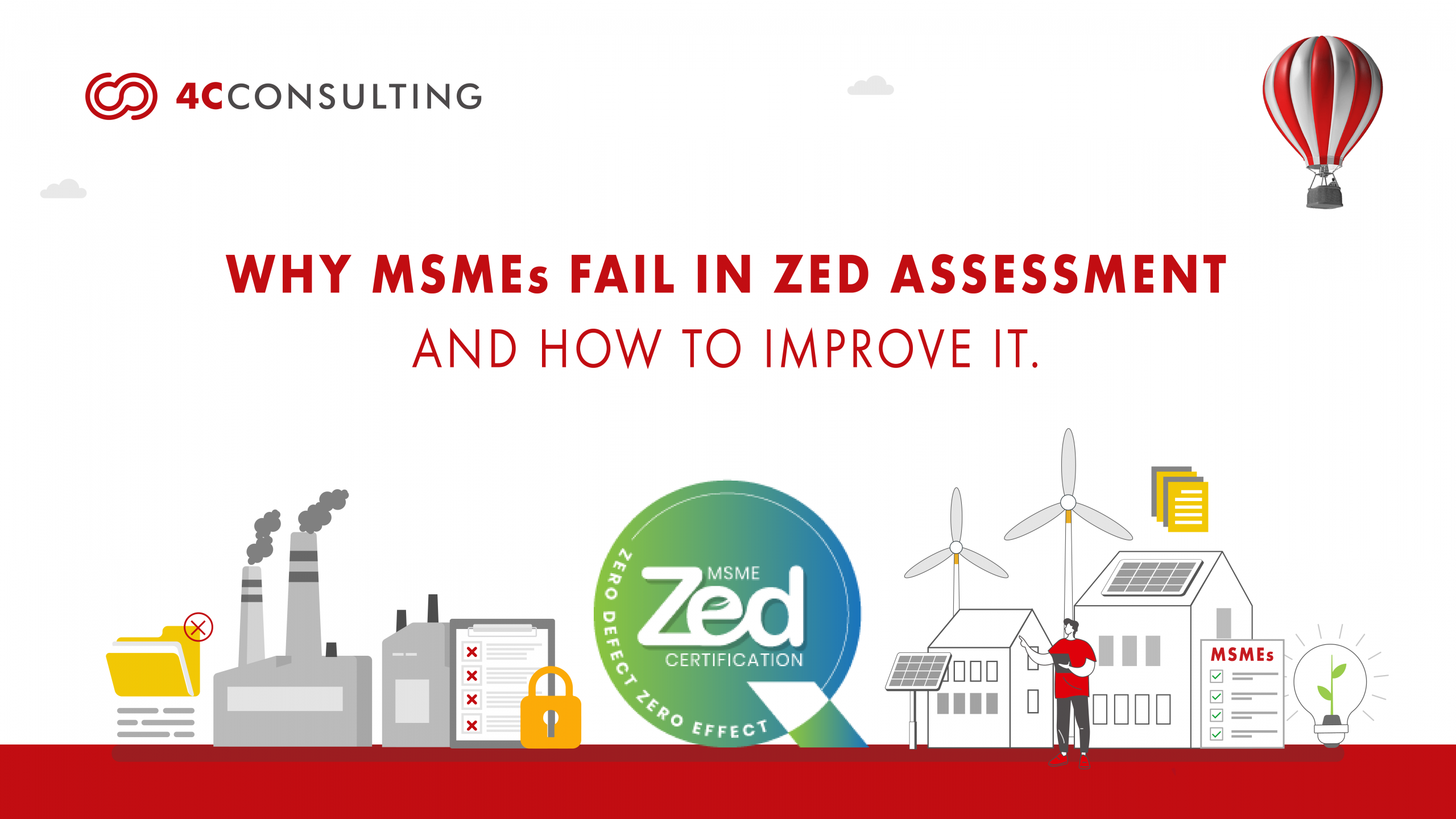
Many MSMEs begin their journey toward ZED certification with confidence, aiming to improve quality, reduce environmental impact and build stronger credibility. However, despite these clear intentions, a significant number struggle to achieve even the bronze medal.
So, what goes wrong?
In most cases, the issue is not a lack of capability but a lack of clarity, structure and proper preparation. The MSME Sustainable ZED Certification Scheme is designed to strengthen manufacturing businesses, not complicate them. Yet, many MSMEs approach it as a documentation exercise rather than a system-driven transformation.
In this blog, we are highlight the reasons why MSMEs fail in ZED assessments that hold back businesses and provide practical steps to improve scores and achieve ZED certification.
What Is ZED Certification?
ZED stands for Zero Defect, Zero Effect, is a government-backed certification under the MSME sustainable ZED certification scheme that evaluates MSMEs based on their ability to produce defect-free products while minimizing environmental impact. It focuses on key areas such as quality management, production processes, environmental practices and workplace safety to ensure standardized and sustainable manufacturing.
ZED Certification Levels
The ZED certification framework is structured across Three progressive levels, each reflecting the maturity of an MSME’s systems, processes and sustainability practices:
- Bronze: Basic compliance with essential quality and environmental requirements
- Silver: Improved systems with better process control and consistency
- Gold: Advanced implementation with strong quality and sustainability integration
Each level represents a step forward in operational excellence. As MSMEs progress from Bronze to Gold, they demonstrate stronger quality control, higher efficiency and deeper commitment to sustainability making them more competitive in both domestic and international markets.
Why ZED Certification Is Important for MSMEs
For MSMEs operating in competitive and compliance-driven environment, ZED certification is more than just a recognition it is a strategic tool for long-term growth and sustainability. It helps businesses build credibility in the market by demonstrating their commitment to quality and responsible manufacturing practices. A ZED certified MSME is often seen as more reliable by customers, suppliers and global buyers, which directly improves business opportunities.
Beyond credibility, ZED drives operational efficiency by encouraging structured and process-driven operations. This enables MSMEs to:
- Improve product quality through standardized processes
- Reduce defects and minimize rework
- Optimize resource utilization and lower operational costs
At the same time, the framework promotes environmentally responsible practices, helping businesses align with growing sustainability expectations across industries.
Common Reasons Why MSMEs Fail in ZED Assessment
The ZED assessment process follows a structured approach where MSMEs first complete an online self-assessment, upload supporting documents and then undergo verification by accredited assessors. The evaluation covers multiple parameters including quality management, production processes, energy efficiency, environmental impact and overall business systems. Each parameter is scored based on evidence, implementation and consistency. If the documentation is weak or practices are not properly implemented, it directly impacts the final rating.
Many MSMEs apply for ZED with the intention of improving their systems but a large number fall short during the assessment. The challenge is rarely about capability it is usually about gaps in structure, understanding and implementation.
These are the reasons why MSMEs fails in ZED Assessment.
1. Lack of Proper Documentation
One of the most common reasons MSMEs fail in ZED Assessment is incomplete or missing documentation. ZED certification requires detailed records of processes, quality standards, energy usage and sustainability measures. Many MSMEs operate informally and do not maintain systematic records, making it difficult to demonstrate compliance during the assessment.
2. Poor Understanding of ZED Requirements
Many MSMEs apply for ZED certification without fully understanding what the assessment entails. ZED (Zero Defect Zero Effect) evaluates enterprises on quality, productivity, energy efficiency, environment and technology adoption. Without clarity on these parameters, companies often fail to address critical gaps before the assessment.
3. Weak Quality Management Practices
ZED Assessment places heavy emphasis on product and process quality. MSMEs that lack formal quality management systems such as ISO 9001 or similar standards often score poorly. Issues like high rejection rates, lack of inspection processes and absence of customer feedback mechanisms are common failure points.
4. Less Focus on Sustainability
The “Zero Effect” component of ZED evaluates an enterprise’s environmental impact. MSMEs that have not adopted green practices such as energy conservation, waste reduction, water management and use of renewable energy find it difficult to score well in sustainability parameters.
5. Lack of Internal Audits
Many MSMEs do not conduct regular internal audits to assess their own performance against ZED parameters. This results in a lack of awareness about operational gaps and missed opportunities for corrective action before the official assessment.
6. Lack of Employee Awareness and Training
ZED Assessment considers human resource development as a key parameter. MSMEs where employees are not trained in quality, safety or process standards often fail in this area. A workforce unaware of ZED objectives cannot contribute to achieving certification.
7. Attempting Higher Levels Without Preparation
ZED Certification has multiple levels Bronze, Silver and Gold. MSMEs sometimes attempt higher certification levels without adequately fulfilling the foundational requirements. This results in failure or significant gaps that lead to poor scores.
Achieving ZED Certification is not just about passing an assessment it is about building a culture of quality, efficiency and responsibility within the organisation. MSMEs that understand the requirements, prepare systematically, maintain proper documentation and invest in employee training are far more likely to succeed. By addressing these common failure points proactively, enterprises can not only clear the assessment but also emerge as stronger, more competitive and sustainable businesses in the long run.
.
Turn your ZED gaps into strengths
How MSMEs Can Improve Their ZED Assessment Score
we understand the common gaps; the next step is to focus on practical and structured improvements. Achieving ZED certification is not about quick fixes it requires a systematic approach that strengthens processes, documentation and overall business operations. MSMEs that follow a step-by-step and well-planned approach are more likely to achieve higher assessment scores and long-term results.
1. Start with a Gap Analysis
Before applying for ZED Certification, MSMEs should conduct a thorough gap analysis to understand where they currently stand against the ZED parameters. This helps identify weak areas that need immediate attention and allows the enterprise to prioritise improvements before the official assessment.
Steps to Take:
- Use the ZED self-assessment tool available on the official portal.
- Map current practices against each ZED parameter quality, energy, environment, HR and technology.
- Create an action plan to close identified gaps within a defined timeline.
2. Build a Strong Documentation System
Documentation is the backbone of any successful ZED Assessment. Assessors rely on records and evidence to verify claims made by the enterprise. A well-organised documentation system demonstrates that the business is structured, process-driven and compliant.
Steps to Take:
- Prepare and maintain SOPs, process flow charts and quality manuals.
- Keep updated records of energy consumption, waste disposal and raw material usage.
- Organise all documents in a structured manner for easy retrieval during assessment.
3. Implement Structured Quality Practices
Quality is at the heart of ZED, Zero Defect means delivering products that meet or exceed customer expectations consistently. MSMEs must move beyond informal quality checks and adopt systematic quality management practices to score well in this area.
Steps to Take:
- Introduce in-process quality checks at every stage of production.
- Track defect rates, customer complaints and rejection percentages regularly.
- Work towards alignment with standards such as ISO 9001 for added credibility.
4. Focus on Sustainability Practices
The Zero Effect aspect of ZED requires enterprises to minimise their environmental footprint. MSMEs that proactively adopt green and sustainable practices not only score higher in the assessment but also reduce operational costs in the long run. Adopting structured frameworks such as ISO 50001 for energy management and ISO 14001 for environmental management further strengthens sustainability performance and improves ZED scoring.
Steps to Take:
- Conduct an energy audit and optimise energy usage by ISO 50001 principles.
- Implement waste management practices including segregation, recycling and responsible disposal.
- Adopt sustainable initiatives such as renewable energy and align environmental practices with ISO 14001.
5. Conduct Regular Internal Audits
Internal audits help MSMEs evaluate their own readiness against ZED parameters before the formal assessment. Regular audits create a habit of self-monitoring, surface hidden gaps and ensure that corrective actions are taken in a timely manner.
Steps to Take:
- Schedule internal audits at least once every quarter.
- Assign a dedicated team or individual responsible for audit compliance.
- Document audit findings and track the status of corrective actions.
6. Train and Engage Employees
Employees are the key drivers of quality and sustainability on the shop floor. MSMEs where workers understand ZED objectives and are actively engaged in quality practices perform significantly better during assessments. Human resource development is a scored parameter in ZED.
Steps to Take:
- Conduct regular training sessions on quality standards, safety and ZED goals.
- Maintain training records, attendance sheets and competency assessments.
- Encourage employees to report quality issues and suggest improvements.
7. Take Expert Guidance
Navigating the ZED framework can be complex, especially for first-time applicants. Seeking guidance from certified ZED consultants, industry associations or MSME Development Institutes (MSMEDIs) can significantly improve an enterprise’s chances of scoring well and avoiding common mistakes.
Steps to Take:
- Engage a ZED-empanelled consultant for pre-assessment support.
- Participate in government-sponsored ZED awareness programmes and training camps.
- Connect with industry peers who have already achieved ZED Certification for practical insights.
Improving a ZED Assessment score is not a one-time effort it requires consistent commitment to quality, sustainability and operational excellence. MSMEs that take a structured and proactive approach, invest in their people and processes and seek the right guidance are well-positioned to achieve higher certification levels. ZED Certification is ultimately a stepping stone towards building world-class enterprises that are competitive, responsible and future-ready.
ZED Certification Benefits for MSMEs
The ZED certification benefits go beyond compliance by helping MSMEs build structured, reliable and sustainable operations. Under the MSME sustainable ZED certification scheme, businesses can strengthen processes, gain market credibility and align with global standards. For businesses aiming to become a ZED certified MSME, it supports better performance, stronger operational control and long-term growth.
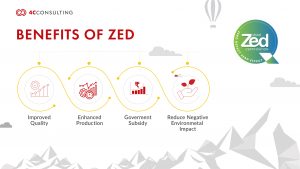
1. Improved Product Quality
Implementing standardized processes ensures consistency at every stage of production. When operations are clearly defined and controlled, variations are reduced significantly. This leads to more reliable output, fewer quality issues and higher customer satisfaction over time.
2. Fewer Defects and Rework
A preventive approach focuses on identifying potential issues before they become major problems. By strengthening quality checks and process controls, businesses can reduce defects at the source. This not only minimizes rework but also saves time, effort and operational costs.
3. Better Cost Management
Efficient resource utilization plays a key role in reducing unnecessary expenses. By minimizing wastage and improving process efficiency, businesses can control production costs effectively. This results in improved profitability without compromising on product quality.
4. Stronger Market Trust
Consistency in quality and well-structured systems builds trust among customers, suppliers and stakeholders. When businesses demonstrate reliability, they are more likely to gain long-term partnerships. This strengthens brand reputation and creates a competitive advantage in the market.
5. Improved Export Potential
Strong systems and consistent quality make businesses more attractive to global buyers. When operations meet international expectations, it becomes easier to enter global markets. This opens opportunities to become part of international supply chains and expand business reach.
6. Higher Process Efficiency
Clearly defined processes improve workflow and eliminate confusion in operations. This leads to better coordination, faster execution and reduced delays. As a result, businesses can achieve consistent performance and improved productivity.
7. Financial Incentives and Subsidy Support
Under the MSME sustainable ZED certification scheme, businesses can avail financial incentives such as subsidies on certification costs, technology upgradation and quality improvement initiatives. This reduces the financial burden on MSMEs and encourages structured implementation of best practices.
8. Preference in Government Tenders and Schemes
ZED certified MSMEs often receive preference in government procurement and various MSME support schemes. This creates additional business opportunities and improves the chances of securing large-scale projects, especially in public sector supply chains.
How 4C Consulting Helps MSMEs in ZED Certification
At 4C Consulting, we provide practical, result-oriented support to help MSMEs successfully achieve ZED certification. Our approach covers everything from gap analysis and documentation to employee training, internal audits and end-to-end guidance under the MSME sustainable ZED certification scheme. With over 20+ years of experience, we focus on building strong systems that go beyond just certification.
ZED is not difficult it simply requires the right approach and consistent effort. With expert guidance, MSMEs can confidently achieve certification and continuously improve their processes over time. If you are planning to apply for ZED certification, partnering with experienced consultants like 4C Consulting can help you streamline the journey and achieve better results with confidence.
FAQs
How much does ZED certification cost for MSMEs?
The cost of ZED certification varies depending on the size of the MSME, certification level and assessment requirements. However, the government provides subsidies under the ZED certification scheme, which significantly reduces the overall cost.
Why is my ZED score low even after submitting everything?
In most cases, it’s not about submission it’s about how well your systems are implemented. If documentation, process control or sustainability practices are weak or inconsistent, the score drops even if all details are filled.
What documents are actually checked during ZED assessment?
Assessors typically look for SOPs, quality records, inspection reports, maintenance logs, training records and environmental practices. It’s not about having documents it’s about showing consistent implementation.
Why do we keep failing even after making improvements?
This usually happens when improvements are not systematic. Fixing individual issues without building a proper process or system often leads to repeated gaps during reassessment.
Which ZED level should we target first Bronze, Silver or higher?
Most MSMEs should start with Bronze or Silver based on their current readiness. Jumping directly to higher levels without strong fundamentals often results in low scores and wasted effort.