
Understanding SEDEX and SMETA Audits: A Comprehensive Guide to 2 Pillar and 4 Pillar Approaches
26th Dec, 2025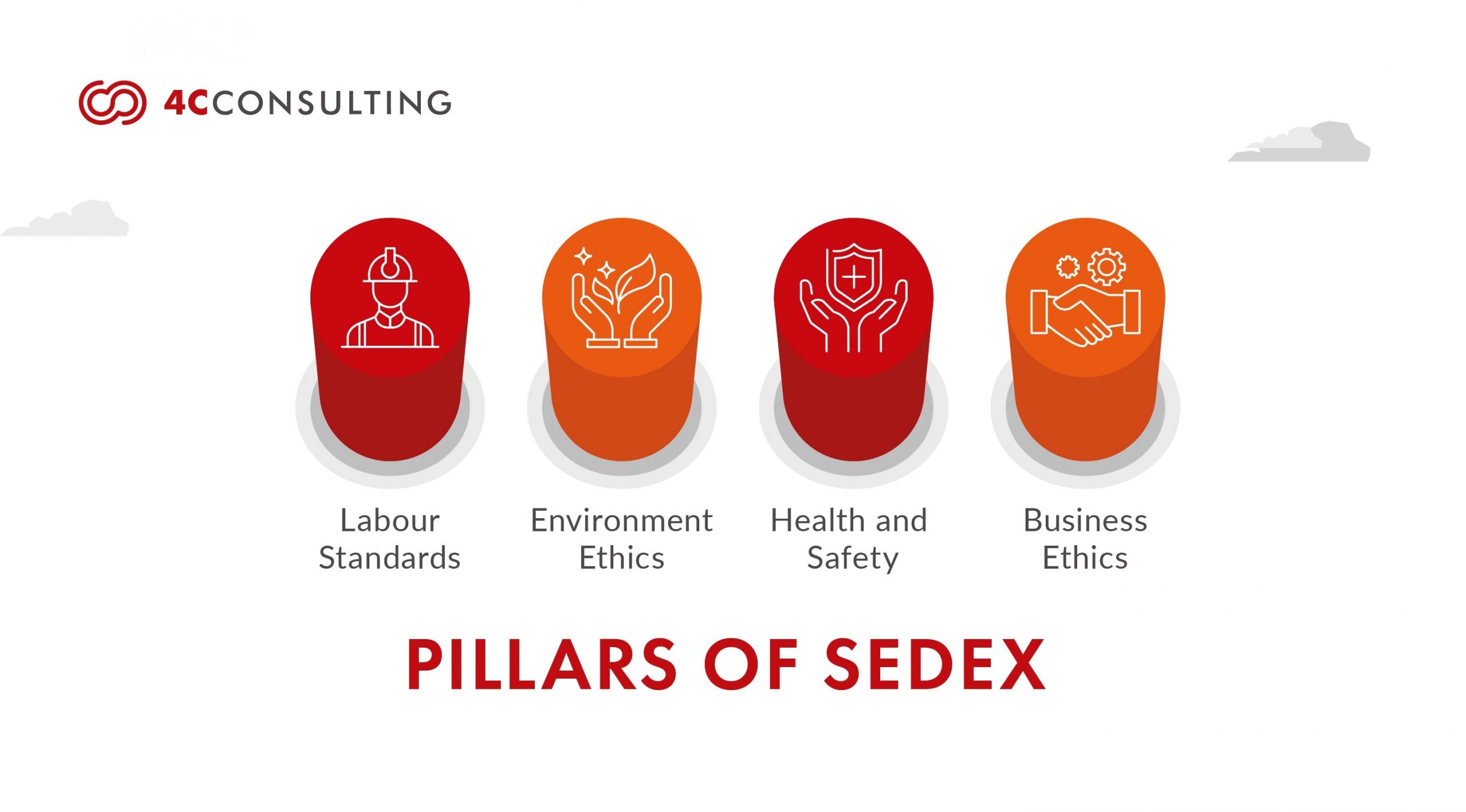
Businesses are expected to be more than just profit-making machines and be responsible corporate citizens that contribute positively to society and the environment. Social audits are one way businesses can measure and report on their social and environmental impact. A social audit is a process of reviewing a company’s operations, business practices, and policies to evaluate its social, environmental, and ethical impact. There are several types of social audits, including financial audits, environmental audits, and social audits. In this blog post, we will focus on SEDEX, a popular platform for conducting social audits and SMETA the auditing methodology to obtain SEDEX Certification.
What is SEDEX?
SEDEX (Supplier Ethical Data Exchange) is a non-profit organization that aims to improve ethical and responsible business practices in global supply chains. SEDEX provides a platform for companies to share information about their suppliers’ ethical performance, including labor rights, health and safety, environmental practices, and business ethics. SEDEX also provides a range of tools and services, including training, consultancy, and supplier assessment tools, to help companies improve their supply chain practices.
What is SMETA Audit (SEDEX Members Ethical Trade Audit)?
SEDEX SMETA is a methodology for auditing the ethical, social, and environmental performance of suppliers. SMETA was developed by SEDEX and is now widely used by companies around the world. The SMETA audit covers a wide range of topics, including labor standards, health and safety, environmental performance, and business ethics. The SMETA audit is based on a set of ethical trade principles, including the Ethical Trading Initiative (ETI) Base Code, and the International Labor Organization (ILO) conventions.
SEDEX SMETA audits are available in two versions: SMETA 2 Pillar and SMETA 4 Pillar. The SMETA 2 Pillar audit covers labor standards and health and safety, while the SMETA 4 Pillar audit covers these topics as well as environmental performance and business ethics. Let’s take a closer look at the parameters covered in both types of SMETA audits.
.
Achieve Ethical Sourcing Compliance through SEDEX–SMETA Audits
SMETA 2 Pillar Audit:
- Labor Standards: This parameter covers areas such as working hours, wages, discrimination, child labor, and forced labor. The auditor will assess whether the supplier is complying with national and international labor laws and regulations.
- Health and Safety: This parameter covers areas such as workplace safety, emergency preparedness, and employee access to health care. The auditor will assess whether the supplier has appropriate health and safety policies and procedures in place.
SMETA 4 Pillar Audit:
In addition to the parameters covered in the SMETA 2 Pillar audit, the SMETA 4 Pillar audit also covers the following:
- Environmental Performance: This parameter covers areas such as waste management, water use, energy use, and greenhouse gas emissions. The auditor will assess whether the supplier is complying with relevant environmental laws and regulations.
- Business Ethics: This parameter covers areas such as corruption, bribery, and human rights. The auditor will assess whether the supplier has appropriate policies and procedures in place to prevent unethical behavior.
Benefits of SMETA Audit and SEDEX certification:
There are many benefits of SMETA audit and SEDEX certification, including:
- Improved Reputation: By undergoing a SMETA audit and obtaining a SEDEX certification, companies can demonstrate their commitment to ethical, social, and environmental standards. This can improve their reputation and help them attract customers who value sustainability and responsible business practices.
- Reduced Risk: SMETA audits help companies identify and address risks in their supply chain, including risks related to labor standards, health and safety, and environmental performance. By addressing these risks, companies can reduce the likelihood of supply chain disruptions, negative media attention, and legal liability.
- Compliance with Legal Requirements: SMETA audits can help companies ensure that they are complying with relevant legal requirements, including labor laws, health and safety regulations, and environmental laws. This can help companies avoid fines and legal penalties, as well as reputational damage.
- Improved Supply Chain Performance: SMETA audits can help companies identify opportunities for improvement in their supply chain, including opportunities to reduce waste, increase energy efficiency, and improve working conditions. By implementing these improvements, companies can reduce costs, increase efficiency, and improve the quality of their products and services.
- Increased Transparency: SMETA audits require companies to disclose information about their supply chain and their environmental and social performance. This increased transparency can help build trust with customers, investors, and other stakeholders.
- Competitive Advantage: By obtaining a SEDEX certification, companies can differentiate themselves from their competitors and gain a competitive advantage. This can help them attract new customers, retain existing customers, and increase market share.
Various Social Auditing Programs
There are several widely recognized social auditing standards besides SEDEX, that organizations can use to guide their efforts. One of the most well-known standards is SA 8000, which covers areas such as child labor, forced labor, and discrimination, as well as health and safety, working hours, and compensation. Another widely used standard is the Worldwide Responsible Accredited Production (WRAP), which focuses on labor standards and environmental practices in the manufacturing industry.
The Responsible Business Alliance (RBA), formerly known as the Electronic Industry Citizenship Coalition (EICC), is a standard that is specifically targeted towards the electronics industry. The Business Social Compliance Initiative (BSCI) is a standard that covers areas such as fair compensation, child labor, and freedom of association, and is commonly used in the textile and garment industry. These and other social auditing standards provide guidelines and best practices that can help organizations improve their social and ethical practices, and ensure that they are meeting their responsibilities to their workers, their customers, and the wider community.
How 4C Can Help Your Organization Get SEDEX Certification
Our skilled consultant team at 4C can help you with all the necessary steps to grow your business and guide you through the implementation process. Having served 40+ clients to get their organization SEDEX Certified, with 800+ hours of training, 4C has a rich experience and the much-needed competence to help your organization get SEDEX Certification seamlessly. To know more about how you can strengthen your organization with SEDEX, Contact us now
Frequently Asked Questions
Can a company fail a SMETA audit, and what happens if major non-conformities are identified?
SMETA audit does not result in a formal “pass” or “fail.” Auditors classify findings as observations, minor non-conformities or major non-conformities. When major issues are identified, the organization must implement corrective actions within defined timelines. Buyers typically review the corrective action plan and evidence before approving or continuing supplier relationships.
Is SEDEX and SMETA compliance mandatory for ESG reporting and buyer sustainability requirements?
SEDEX and SMETA are not legally mandatory for ESG reporting. However, many global buyers require SEDEX registration and a valid SMETA audit as part of their supplier ESG and responsible sourcing criteria. For suppliers, SEDEX–SMETA often functions as a practical compliance requirement driven by customer expectations, not regulation.
How does SEDEX and SMETA support ESG compliance and responsible sourcing frameworks?
SEDEX and SMETA provide structured evidence across labour standards, health & safety, environmental compliance, and business ethics. This data is commonly used by organizations to demonstrate ESG performance, support responsible sourcing programs and respond to buyer sustainability assessments and audits.
What documents and records are required for a first-time SMETA audit?
Typical documents include labour contracts, wage and attendance records, working-hour logs, health and safety procedures, statutory licenses, environmental permits, grievance mechanisms, and ethical policies. Auditors also review worker interview records and site conditions to validate documentation against actual practices.
Who can access a company’s SMETA audit report on the SEDEX platform?
SMETA audit reports remain confidential to the organization. Access is controlled by the company, which can selectively share reports with approved customers, buyers, or stakeholders through the SEDEX platform. Reports are not publicly visible unless explicitly shared.
How long does it typically take to close SMETA audit corrective actions?
Corrective action timelines depend on the nature and severity of findings. Minor non-conformities may be closed within weeks, while major issues may require several months. Buyers generally expect evidence-based closure and effectiveness verification rather than task-based completion.
Is SEDEX applicable for MSMEs and small manufacturers supplying to global buyers?
Yes. SEDEX is widely used by MSMEs, especially those supplying to export markets, large retailers and multinational buyers. Many global procurement teams accept SEDEX–SMETA as a standardized way for smaller suppliers to demonstrate ethical, social and ESG compliance without multiple overlapping audits.