
Table of Contents
- What is QEHS?
- Why Should You Implement QEHS in Your Company?
- Key Benefits of QEHS Implementation
- Understanding the Three Core Standards of QEHS
- Integrate Quality, Environment, Health & Safety for Sustainable Growth
- How 4C Consulting Simplifies QEHS Implementation for Organizational Excellence
- Frequently Asked Questions (FAQs)
What is QEHS? Why Should you Implement it in your Company?
5th Aug, 2026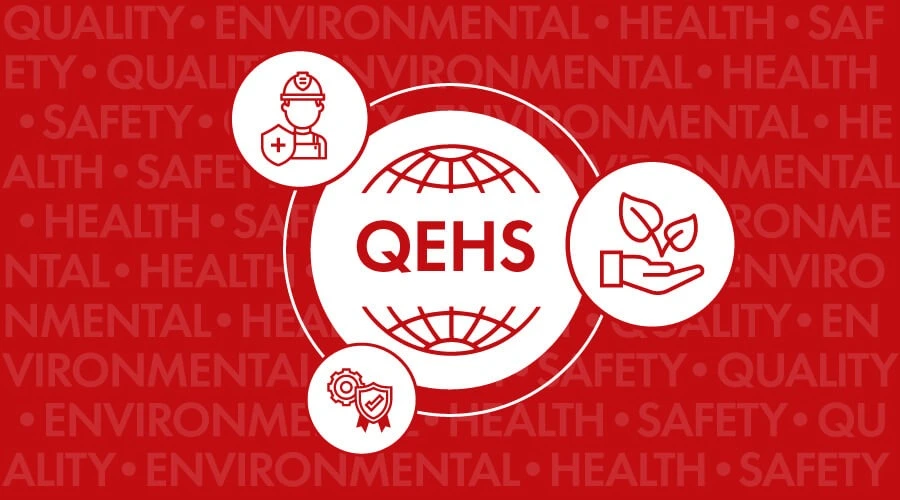
Managing quality, environmental performance and occupational health & safety separately often results in duplicated processes, excessive documentation and higher operational costs. As businesses grow and compliance requirements become more demanding, organizations need a more efficient way to manage these critical functions without creating unnecessary complexity.
A QEHS Management System offers a smarter approach by integrating ISO 9001 (Quality Management System), ISO 14001 (Environmental Management System) and ISO 45001 (Occupational Health & Safety Management System) into a single Integrated Management System (IMS). This unified framework helps organizations streamline processes, strengthen regulatory compliance, improve operational efficiency and drive continual improvement across the business.
In this blog, we’ll explore what QEHS is, why organizations should implement it and how integrating ISO 9001, ISO 14001 and ISO 45001 can help businesses achieve long-term operational excellence and sustainable growth.
What is QEHS?
QEHS (Quality, Environment, Health & Safety Management System) is an Integrated Management System (IMS) that combines multiple ISO management standards into one unified framework. Instead of managing separate systems for quality, environmental management and occupational health & safety, organizations can integrate these standards into a single management system that improves efficiency, simplifies compliance and supports continual improvement.
A typical QEHS Management System integrates:
- ISO 9001 – Quality Management System (QMS)
- ISO 14001 – Environmental Management System (EMS)
- ISO 45001 – Occupational Health & Safety Management System (OHSMS)
Because these ISO standards follow a common management structure, organizations can implement them together, reducing duplication while improving consistency, governance and overall business performance. A well-implemented Integrated Management System also makes internal audits, documentation, management reviews and certification activities more efficient.
Why Should You Implement QEHS in Your Company?
Implementing a QEHS Management System enables organizations to manage quality, environmental and occupational health & safety requirements through one integrated framework instead of multiple independent systems. This not only simplifies day-to-day operations but also improves collaboration across departments and ensures a consistent approach to compliance and continual improvement.
Whether you’re in manufacturing, construction, engineering, pharmaceuticals, food processing, healthcare, logistics or the service industry, QEHS implementation helps organizations improve efficiency, reduce risks and build a stronger foundation for sustainable growth.
By implementing an Integrated Management System, organizations can:
- Improve operational efficiency by integrating multiple ISO management systems.
- Eliminate duplicate documentation, processes and administrative activities.
- Strengthen compliance with quality, environmental and occupational health & safety requirements.
- Improve customer satisfaction and stakeholder confidence.
- Create a safer and healthier workplace.
- Reduce operational risks through a structured management approach.
- Support continual improvement and long-term business growth.
- Simplify future ISO certification and management system audits.
Key Benefits of QEHS Implementation
Implementing a QEHS Management System enables organizations to manage multiple ISO standards through a single, integrated framework. Instead of operating separate systems for quality, environmental management and occupational health & safety, businesses can streamline processes, reduce duplication and improve overall operational performance.
Some of the key benefits of QEHS implementation include:
- Unified implementation of ISO 9001, ISO 14001 and ISO 45001
- Improved operational efficiency through an Integrated Management System
- Elimination of duplicate documentation and management activities
- Reduced implementation time and overall operational costs
- Better alignment of quality, environmental and workplace safety objectives
- Simplified documentation, record management, internal audits and management reviews
- Improved communication and employee awareness across departments
- Stronger compliance with statutory, regulatory and ISO requirements
- Supports continual improvement and sustainable business growth
Understanding the Three Core Standards of QEHS
A QEHS Management System combines ISO 9001, ISO 14001 and ISO 45001 into a single Integrated Management System (IMS) because these standards follow a common structure and share similar management principles.
Rather than managing separate systems, organizations can integrate their processes, documentation, audits, training and management reviews into one framework. This reduces administrative effort while improving coordination across departments and making compliance easier to manage.
Each standard focuses on a different aspect of business performance:
- ISO 9001 helps organizations consistently deliver quality products and services while improving customer satisfaction.
- ISO 14001 enables businesses to manage their environmental responsibilities, reduce waste and improve environmental performance.
- ISO 45001 helps organizations create safer workplaces by identifying hazards, managing occupational risks and protecting employee health and safety.
When implemented together, these standards create a robust management system that improves operational efficiency, strengthens compliance, minimizes business risks and supports continual improvement across the organization.
Integrate Quality, Environment, Health & Safety for Sustainable Growth
1. ISO 9001 Quality Management System
ISO 9001 is the world’s most widely adopted Quality Management System (QMS) standard. It provides organizations with a structured framework to consistently deliver products and services that meet customer expectations, statutory requirements and applicable regulatory requirements.
The standard encourages organizations to adopt a process-based approach, strengthen risk-based thinking and focus on continual improvement. As a result, businesses can improve operational efficiency, reduce errors, enhance product and service quality and build long-term customer confidence.
ISO 9001 certification is applicable to organizations of all sizes and industries, regardless of the products or services they provide.
Key Benefits of ISO 9001 Implementation
- Establishes clear quality policies and business objectives
- Improves customer satisfaction and customer confidence
- Strengthens internal and external communication
- Enhances process understanding and operational control
- Clearly defines organizational roles and responsibilities
- Improves efficiency while saving time and resources
- Increases consistency and traceability of products and services
- Builds organizational credibility and competitive advantage
- Supports continual improvement across business processes
2. ISO 14001 Environmental Management System
As environmental sustainability becomes a key business priority, organizations are expected to reduce their environmental impact while meeting increasing regulatory and stakeholder expectations. ISO 14001 provides a structured framework for establishing an effective Environmental Management System (EMS) that helps organizations systematically improve environmental performance.
The standard enables businesses to identify environmental aspects, manage environmental risks, reduce waste, optimize resource utilization and comply with applicable environmental regulations. Rather than prescribing specific environmental performance targets, ISO 14001 encourages organizations to establish their own objectives and continually improve their environmental performance.
ISO 14001 certification is suitable for organizations of every size and industry not only businesses with significant environmental impacts.
Key Benefits of ISO 14001 Implementation
- Reduces waste generation and operational costs
- Promotes efficient use of energy and natural resources
- Improves environmental performance through continual improvement
- Supports compliance with environmental regulations
- Reduces environmental risks and liabilities
- Strengthens corporate reputation and stakeholder confidence
- Demonstrates commitment to sustainability and responsible business practices
3. ISO 45001 Occupational Health & Safety Management System
Creating a safe and healthy workplace is essential for every organization. According to the International Labour Organization (ILO), millions of workplace accidents and occupational illnesses occur every year, affecting employees, productivity and overall business performance.
ISO 45001 provides a structured framework for establishing an Occupational Health & Safety Management System (OHSMS) that helps organizations identify workplace hazards, assess risks, prevent occupational injuries and illnesses and continually improve employee health and safety.
By implementing ISO 45001, organizations can proactively create safer working conditions while strengthening employee confidence and operational resilience.
Key Benefits of ISO 45001 Implementation
- Reduces workplace accidents and occupational health risks
- Minimizes employee absenteeism and downtime
- Improves employee morale, engagement and wellbeing
- Reduces insurance and compensation costs
- Strengthens legal and regulatory compliance
- Creates a safer workplace culture
- Enhances overall organizational performance and productivity
Together, ISO 9001, ISO 14001 and ISO 45001 form a comprehensive QEHS Management System that helps organizations improve quality, environmental performance and workplace health & safety through a single integrated framework. Instead of managing multiple independent systems, businesses can streamline processes, reduce duplication, improve compliance and drive sustainable business growth.
How 4C Consulting Simplifies QEHS Implementation for Organizational Excellence
With over 20 years of consulting experience, 3,000+ successful consulting projects, 30,000+ consulting man-days and the trust of 500+ long-term clients, 4C Consulting has helped organizations across diverse industries successfully implement Integrated Management Systems.
Our experienced consultants provide end-to-end support, including:
- QEHS gap assessment and implementation planning
- Documentation development and process standardization
- Risk assessment and compliance support
- Employee awareness and implementation training
- Internal audits and management review support
- Certification audit readiness
Whether you’re implementing ISO 9001, ISO 14001 and ISO 45001 for the first time or integrating your existing management systems, our practical, industry-focused approach helps you achieve certification with confidence while improving operational excellence.
Ready to Build an Integrated Management System?
Partner with 4C Consulting to implement a QEHS Management System that improves quality, environmental performance, workplace safety and long-term business growth.
Frequently Asked Questions (FAQs)
1. Can I implement ISO 9001, ISO 14001, and ISO 45001 together?
Yes. Organizations can implement all three standards together as an Integrated Management System (IMS). This approach simplifies documentation, reduces duplication, lowers implementation costs, and makes ongoing management more efficient.
2. What are the benefits of implementing a QEHS Management System?
Implementing QEHS helps organizations:
- Improve operational efficiency
- Eliminate duplicate processes and documentation
- Strengthen regulatory compliance
- Improve workplace health and safety
- Enhance environmental performance
- Increase customer confidence
- Support continual improvement and sustainable business growth
3. Which ISO standards are included in QEHS?
A QEHS Management System typically integrates:
- ISO 9001 – Quality Management System
- ISO 14001 – Environmental Management System
- ISO 45001 – Occupational Health & Safety Management System
4. What is the difference between QEHS and an Integrated Management System (IMS)?
An Integrated Management System (IMS) combines two or more ISO management standards into a single framework. QEHS is a specific type of IMS that integrates ISO 9001, ISO 14001 and ISO 45001. In simple terms, every QEHS is an IMS but not every IMS is QEHS.
5. Which industries can implement QEHS?
QEHS is suitable for organizations of all sizes and industries, including manufacturing, engineering, construction, pharmaceuticals, food processing, healthcare, logistics, education and service organizations.
6. Can small and medium-sized businesses implement QEHS?
Yes. QEHS can be implemented by organizations of any size. Integrating multiple ISO standards into a single management system often helps SMEs reduce implementation costs, simplify documentation and improve operational efficiency.
7. Is QEHS certification different from ISO certification?
QEHS itself is not a separate ISO standard. It is an Integrated Management System (IMS) that combines multiple ISO standards, typically ISO 9001, ISO 14001 and ISO 45001, into one integrated framework. Organizations receive certification for each applicable ISO standard after a successful certification audit.
8. What are the 10 key policies of a QEHS Management System?
While the exact policies may vary depending on an organization’s operations and compliance requirements, a typical QEHS Management System includes the following:
- Quality Policy
- Environmental Policy
- Occupational Health & Safety Policy
- Risk Management Policy
- Legal & Regulatory Compliance Policy
- Operational Control Policy
- Emergency Preparedness & Response Policy
- Training & Competency Policy
- Internal Audit Policy
- Continual Improvement Policy

Shardul Patel
Founder & CEOShardul Patel is the Founder and CEO of 4C Consulting, with expertise spanning management systems, ISO standards, emerging standards, and organizational improvement. He brings a broad understanding of evolving compliance and business requirements, helping organizations navigate new standards and strengthen their management frameworks. His leadership focuses on delivering practical consulting solutions that support compliance, continual improvement, and long-term business growth.